
 Get a Quote

 Send Inquiry
Acetic Acid
Price 78 INR/ Kilograms
Acetic Acid Specification
- Structural Formula
- CH3COOH
- Shelf Life
- 24 months
- Application
- Pharmaceutical Intermediates
- Ingredients
- Acetic Acid 99.50%
- Grade
- Industrial Grade
- Appearance
- Colorless Liquid
- Storage
- Keep container tightly closed, cool place
- CAS No
- 64-19-7
- Melting Point
- 16.6C
- Purity
- 99.50%
- Usage
- Pharma, Food, Industrial
- Properties
- Clear, pungent odor, corrosive
- Refractive Rate
- 1.371 (20C)
- EINECS No
- 200-580-7
- Solubility
- Miscible with water
- Poisonous
- Yes, corrosive
- Shape
- Liquid
- Taste
- Vinegar-like, sour
- Product Type
- Acetic Acid
- Molecular Formula
- C2H4O2
- Density
- 1.049 Gram per cubic centimeter(g/cm3)
- HS Code
- 29152100
- Ph Level
- 2.4 (1M solution)
- Smell
- Pungent, strong odor
- Molecular Weight
- 60.05 g/mol
- Physical Form
- Liquid
- Colour
- Water white
- Packaging Size
- 30 kg / 35 kg
- Vapor Pressure
- 11.4 mmHg (20C)
- Flash Point
- 39C (closed cup)
- Corrosive Nature
- Yes, to metals
- Stability
- Stable under normal conditions
- Boiling Point
- 118C
- Odor Threshold
- 0.48 ppm
Acetic Acid Trade Information
- Minimum Order Quantity
- 25000 Kilograms
- FOB Port
- Mumbai
- Supply Ability
- 500 Kilograms Per Month
- Delivery Time
- 7 Days
- Sample Available
- No
- Main Domestic Market
- All India
About Acetic Acid
Acetic Acid
Known for accurate composition, purity and non-toxicity, these are largely used in manufacturing various chemical compounds. Highly demanded in textile and food industry, our range of Acetic Acid is appreciated for its International quality and high effectiveness. A clear liquid with a pungent odor, our range is available in tanker load and in carboys of 35 kg.
| Acetic acid is a byproduct of fermentation, and gives vinegar its characteristic odor. It is an important chemical reagent and industrial chemical, used primarily in the production of cellulose acetate for photographic film, polyvinyl acetate for wood glue, and synthetic fibres and fabrics. In households, diluted acetic acid is often used in descaling agents. In the food industry, acetic acid is controlled by the food additive code E260 as an acidity regulator and as a condiment. |
Key Characteristics of Acetic Acid
With a purity of 99.50%, Acetic Acid is a colorless, clear liquid with a sharp, strong odor. Its molecular formula is C2H4O2, and it has a boiling point of 118C. Stable under normal conditions, it is corrosive to metals and thus should be stored in resistant containers. Due to its strong acidic nature (pH 2.4 for 1M), it finds use in a variety of pharmaceutical, food, and industrial applications.
Packaging and Safe Storage Guidelines
Acetic Acid is supplied in secure 30 kg or 35 kg containers. To maintain product quality and safety, it should be kept tightly sealed in a cool, well-ventilated place. Proper storage helps prevent metal corrosion and protects from accidental exposure due to its pungent odor and corrosive properties. When stored as recommended, its shelf life reaches up to 24 months.
FAQ's of Acetic Acid:
Q: How should Acetic Acid be safely stored and handled?
A: Acetic Acid must be kept in tightly closed containers made of materials resistant to corrosion. Store it in a cool, well-ventilated area away from sources of heat or ignition. Proper handling precautions such as wearing protective gloves and goggles are recommended to avoid skin or eye contact, as the acid is corrosive.Q: What are the primary uses of Acetic Acid in industry?
A: Acetic Acid serves as a vital intermediate in pharmaceuticals, food processing, and other industrial applications. It is used for synthesizing compounds, acting as a preservative, and as an acidulant due to its high purity and strong acidic nature.Q: When is Acetic Acid considered stable for use?
A: Acetic Acid remains stable under normal temperature and pressure conditions. It should be kept away from reactive substances and stored appropriately to maintain its chemical integrity throughout its 24-month shelf life.Q: Where can I procure Acetic Acid of industrial grade in India?
A: Industrial-grade Acetic Acid with 99.50% purity is available through authorized distributors, suppliers, or traders across India. Always verify the source for regulatory compliance and quality assurance.Q: What precautions are necessary due to its corrosive nature?
A: Due to its corrosive effect on metals and potent, pungent odor, use containers made of resistant materials and ensure proper ventilation. Avoid contact with metals, and promptly clean up spills to prevent structural or equipment damage.Q: How is Acetic Acid typically used in pharmaceutical applications?
A: In pharmaceutical manufacturing, Acetic Acid acts as a key intermediate for active compound synthesis and is sometimes utilized in pH control or as a reagent during formulation processes. Its high purity supports stringent quality standards.Q: What benefits does Acetic Acid offer for food and industrial use?
A: In food applications, Acetic Acid functions as a safe, effective preservative and acidity regulator. In industrial processes, its miscibility with water and strong acidity make it valuable as a solvent and chemical reagent.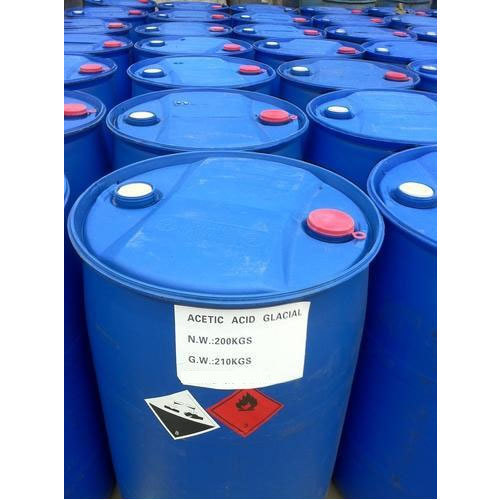

Price:
- 50
- 100
- 200
- 250
- 500
- 1000+

More Products in Organic Chemicals Category
Acrylic Acid
Price 78 INR / Kilograms
Minimum Order Quantity : 25000 Kilograms
HS Code : 291611
Physical Form : Liquid
Properties : Clear, pungent odor, corrosive
Appearance : Colorless or slightly yellow liquid
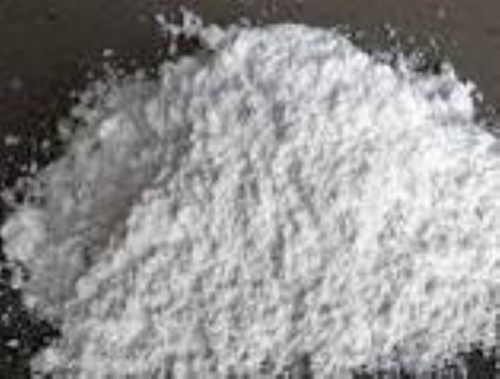
Potassium Carbonate Granules
Price 78 INR / Kilograms
Minimum Order Quantity : 25000 Kilograms
HS Code : 28364000
Physical Form : Liquid
Properties : Clear, pungent odor, corrosive
Appearance : White hygroscopic solid
Hydrofluoric Acid
Price 100.0 INR / Kilograms
Minimum Order Quantity : 1000 Kilograms
HS Code : 2811.11
Physical Form : Liquid
Properties : Clear, pungent odor, corrosive
Appearance : Colorless liquid or gas
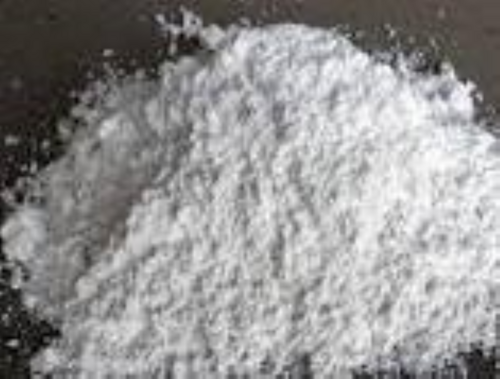
Calcium Chloride Anhydrous Powder
Price 78 INR / Kilograms
Minimum Order Quantity : 25000 Kilograms
HS Code : 282720
Physical Form : Liquid
Properties : Clear, pungent odor, corrosive
Appearance : White Powder


- Office No.5, 1st Floor, Shreenath Shopping Centre, D.J.Road, Vile Parle West,Mumbai - 400056, Maharashtra, India
- Phone : 08045800160
GST : 27AAAFP2040B1ZZ

- Mr Devang Dinesh Parikh (Partner)
- Mobile : 08045800160
- Send Inquiry
 Send Inquiry
 Send Inquiry
 Send SMS
Developed and Managed by Infocom Network Private Limited.
 English
 Spanish
 French
 German
 Italian
 Chinese (Simplified)
 Japanese
 Korean
 Arabic
 Portuguese