
 Get a Quote

 Send Inquiry
Acrylic Acid
Price 78 INR/ Kilograms
MOQ : 25000 Kilograms
Acrylic Acid Specification
- Ph Level
- Acidic
- Purity
- Typically 99%
- HS Code
- 291611
- Properties
- Clear, pungent odor, corrosive
- Taste
- Acrid or sour
- Storage
- Store in a cool dry well-ventilated place away from sources of ignition
- Molecular Formula
- C3H4O2
- Refractive Rate
- 1.422
- Appearance
- Colorless or slightly yellow liquid
- CAS No
- 64-19-7
- Density
- 1.051 Gram per cubic centimeter(g/cm3)
- EINECS No
- 201-177-9
- Shape
- N/A (liquid form)
- Application
- Used in manufacturing of adhesives coatings plastics and resins
- Ingredients
- Pure acrylic acid with possible stabilizers such as hydroquinone to prevent polymerization
- Solubility
- Miscible in water ethanol and ether
- Usage
- Primarily as a precursor for acrylate esters or polymers
- Molecular Weight
- 72.06 g/mol
- Physical Form
- Liquid
- Poisonous
- YES
- Shelf Life
- Typically one year when properly stored
- Grade
- Industrial grade or chemical grade
- Structural Formula
- CH2=CH-COOH
- Melting Point
- 13 C
- Smell
- Pungent
Acrylic Acid Trade Information
- Minimum Order Quantity
- 25000 Kilograms
- Supply Ability
- 500 Kilograms Per Month
- Delivery Time
- 7 Days
About Acrylic Acid
Acrylic acid is a versatile chemical compound primarily used in the production of acrylic polymers and esters, which find applications in various industries. These include paints and coatings, adhesives, plastics, superabsorbent polymers (like those in diapers), and even in pharmaceuticals and cosmetics.Versatile Industrial Applications
Acrylic Acid serves as an essential raw material in producing acrylate esters, which are foundational in adhesives, coatings, plastics, and resin industries. Its ability to polymerize into diverse materials underlines its value across multiple manufacturing sectors. The compound's chemical reactivity also makes it suitable for chemical synthesis and other specialty industrial purposes.
Safe Handling and Storage Guidelines
Due to its volatile and corrosive properties, acrylic acid should be handled with care, using personal protective equipment, and stored away from heat and ignition sources. Keep it in a cool, dry, and well-ventilated area, preferably with stabilizers such as hydroquinone, to prevent unintentional polymerization. Proper storage ensures a typical shelf life of up to one year.
FAQ's of Acrylic Acid:
Q: How should acrylic acid be safely stored to maintain its quality?
A: Acrylic acid should be stored in a cool, dry, and well-ventilated location, away from heat sources and ignition. Sealed containers and stability additives, such as hydroquinone, help prevent polymerization and maintain product quality for up to one year.Q: What are the main uses of acrylic acid in industry?
A: Acrylic acid is mainly used as a precursor for acrylate esters or polymers, further processed into adhesives, coatings, plastics, and resins. It also participates in the synthesis of other specialty chemicals due to its reactivity.Q: When is acrylic acid typically used during industrial manufacturing processes?
A: Acrylic acid is often employed at the initial or intermediary stages of product manufacturing when creating acrylate-based polymers or esters, which are then converted into finished products like adhesives or coatings.Q: Where is acrylic acid commonly applied in end-user industries?
A: Common application sectors include the adhesives and sealants industry, paint and coatings manufacturers, plastic and resin production, and textile processing, both domestically and internationally.Q: What benefits does acrylic acid provide in manufacturing processes?
A: Acrylic acid's high reactivity and purity enhance the efficiency and quality of polymerization processes, resulting in end products with excellent performance traits like flexibility, durability, and adhesion.Q: Is acrylic acid toxic or harmful, and what safety precautions are required?
A: Yes, acrylic acid is poisonous and corrosive. Users must wear appropriate protective gear (gloves, goggles, aprons) and work in ventilated areas. Accidental ingestion, inhalation, or skin contact should be avoided, and safety protocols strictly followed.Q: What is the typical purity of industrial-grade acrylic acid and its appearance?
A: Industrial- or chemical-grade acrylic acid typically boasts a purity of 99% and appears as a colorless or slightly yellow liquid with a pungent odor.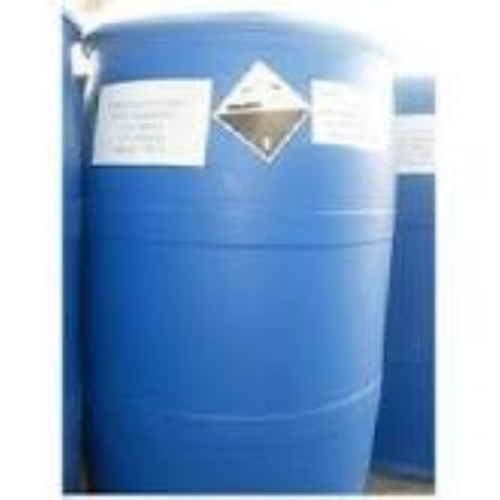
Tell us about your requirement

Price:
Quantity
Select Unit
- 50
- 100
- 200
- 250
- 500
- 1000+
Additional detail
Mobile number
Email

More Products in Organic Chemicals Category
Sodium Bi Carbonate
Price 35.0 INR / Kilograms
Minimum Order Quantity : 2000 Kilograms
Physical Form : Liquid
CAS No : 64197
Appearance : White crystalline powder
HS Code : 28363000
Hydrofluoric Acid
Price 100.0 INR / Kilograms
Minimum Order Quantity : 1000 Kilograms
Physical Form : Liquid
CAS No : 64197
Appearance : Colorless liquid or gas
HS Code : 2811.11
Potassium Carbonate Granules
Price 78 INR / Kilograms
Minimum Order Quantity : 25000 Kilograms
Physical Form : Liquid
CAS No : 64197
Appearance : White hygroscopic solid
HS Code : 28364000
Calcium Chloride Anhydrous Powder
Price 78 INR / Kilograms
Minimum Order Quantity : 25000 Kilograms
Physical Form : Liquid
CAS No : 64197
Appearance : White Powder
HS Code : 282720

Contact Us

- Office No.5, 1st Floor, Shreenath Shopping Centre, D.J.Road, Vile Parle West,Mumbai - 400056, Maharashtra, India
- Phone : 08045800160
PARAMOUNT CHEMICAL & ACID CORPORATION
GST : 27AAAFP2040B1ZZ

- Mr Devang Dinesh Parikh (Partner)
- Mobile : 08045800160
- Send Inquiry
 Send Inquiry
 Send Inquiry
 Send SMS
 Call Me Free
PARAMOUNT CHEMICAL & ACID CORPORATION
All Rights Reserved.(Terms of Use)
Developed and Managed by Infocom Network Private Limited.
Developed and Managed by Infocom Network Private Limited.
 English
 Spanish
 French
 German
 Italian
 Chinese (Simplified)
 Japanese
 Korean
 Arabic
 Portuguese